A Shared Future:
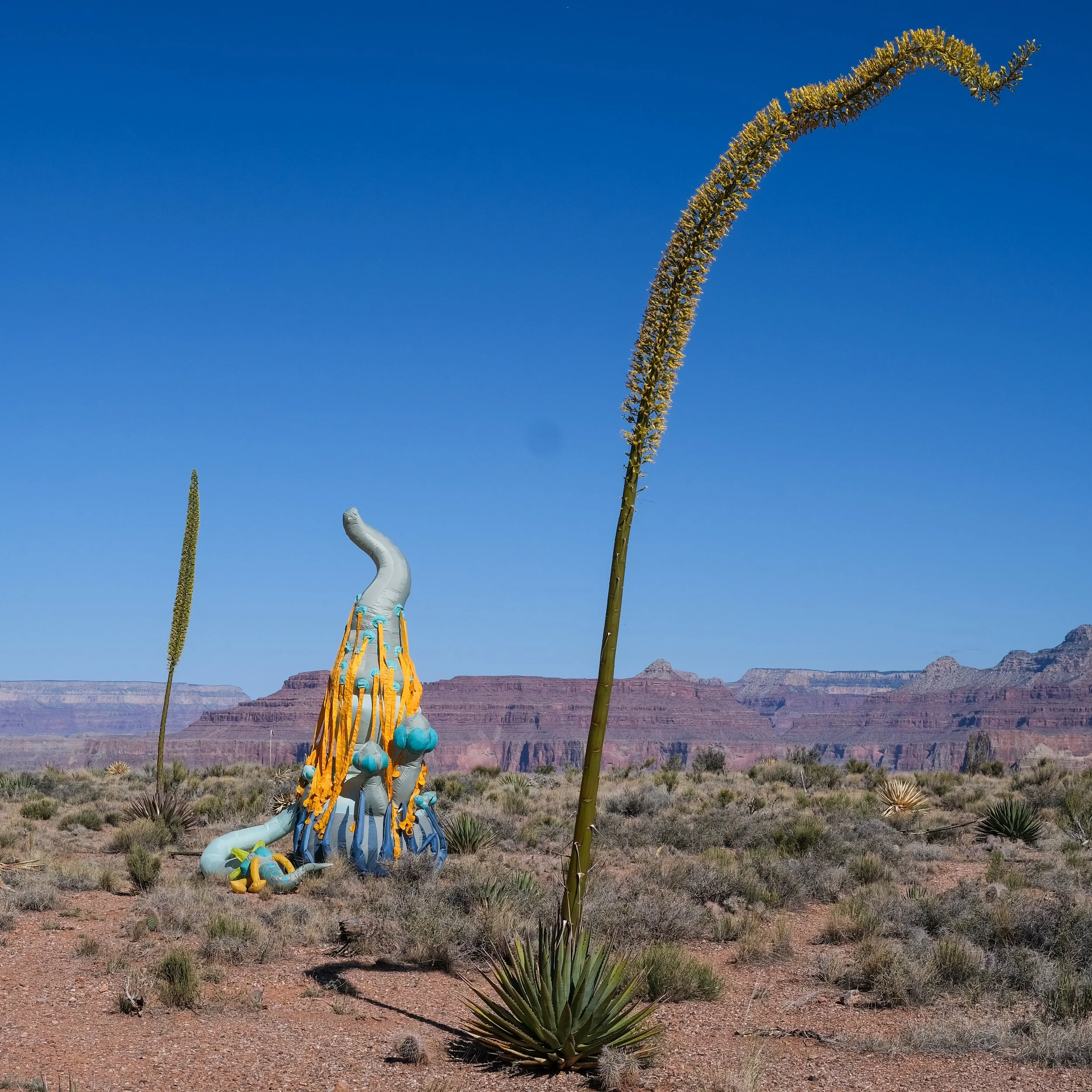
Adapted Agave and Future Pollinators of the Grand Canyon
Created during our Artists in Residency program at the Grand Canyon Conservancy
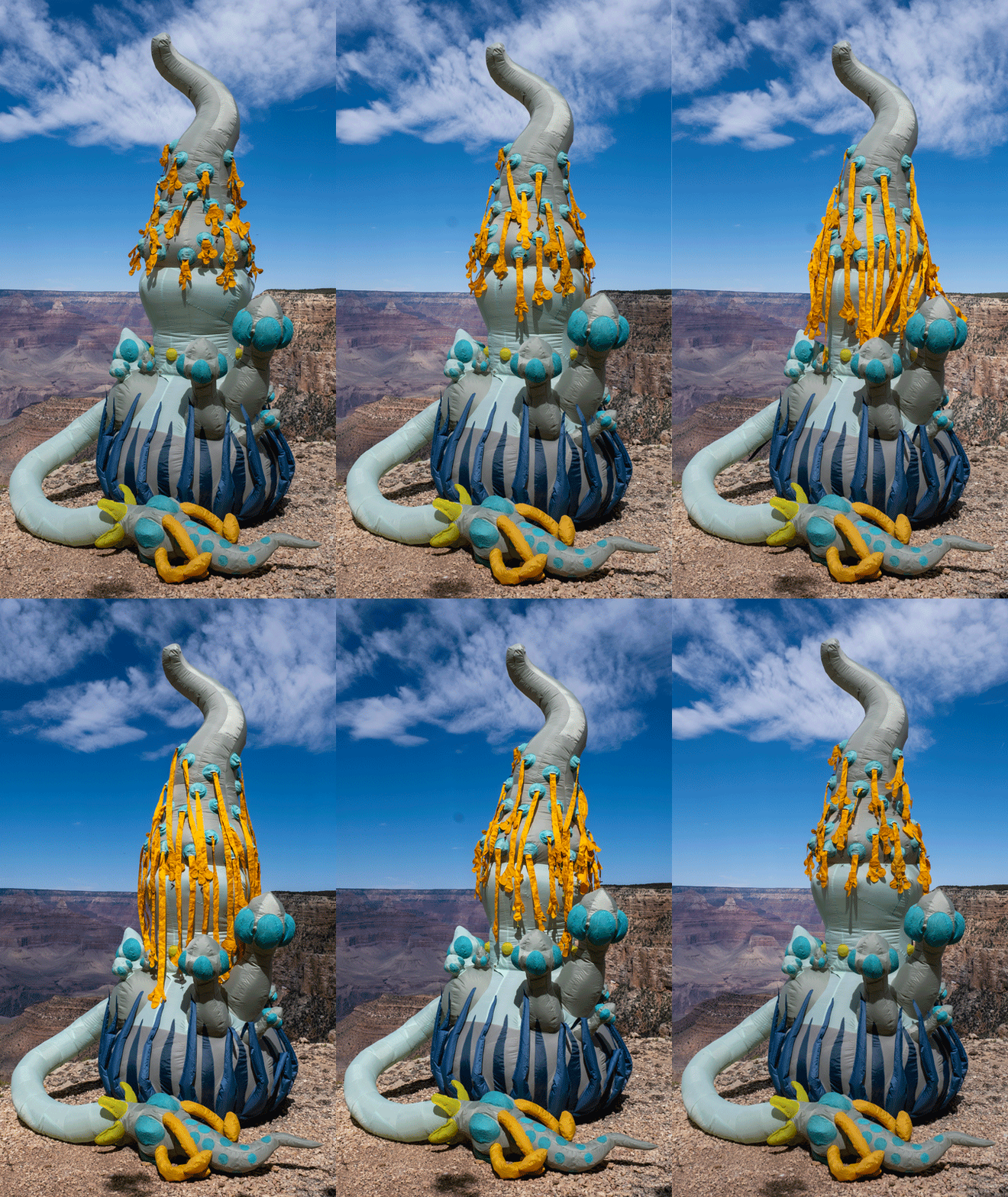
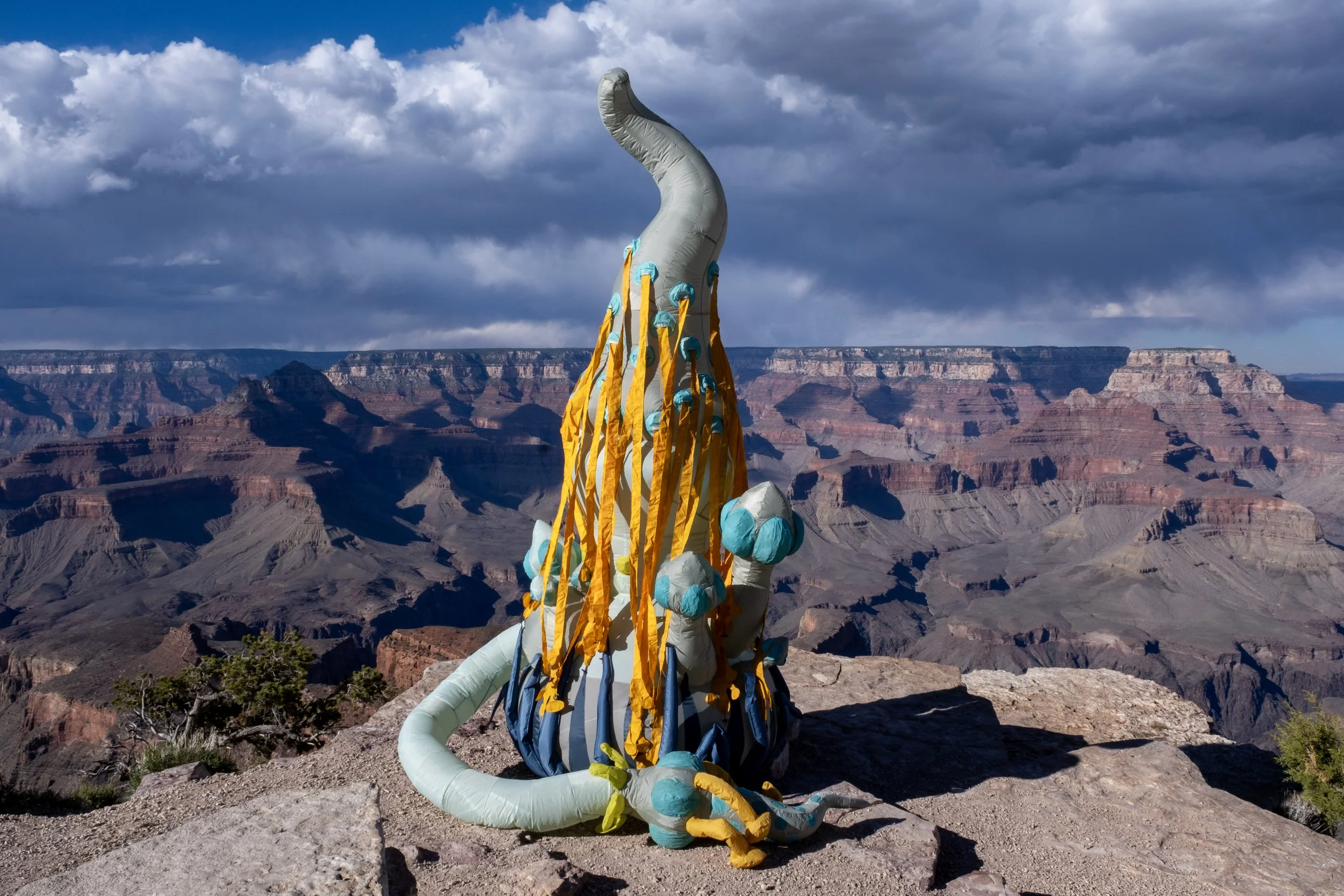
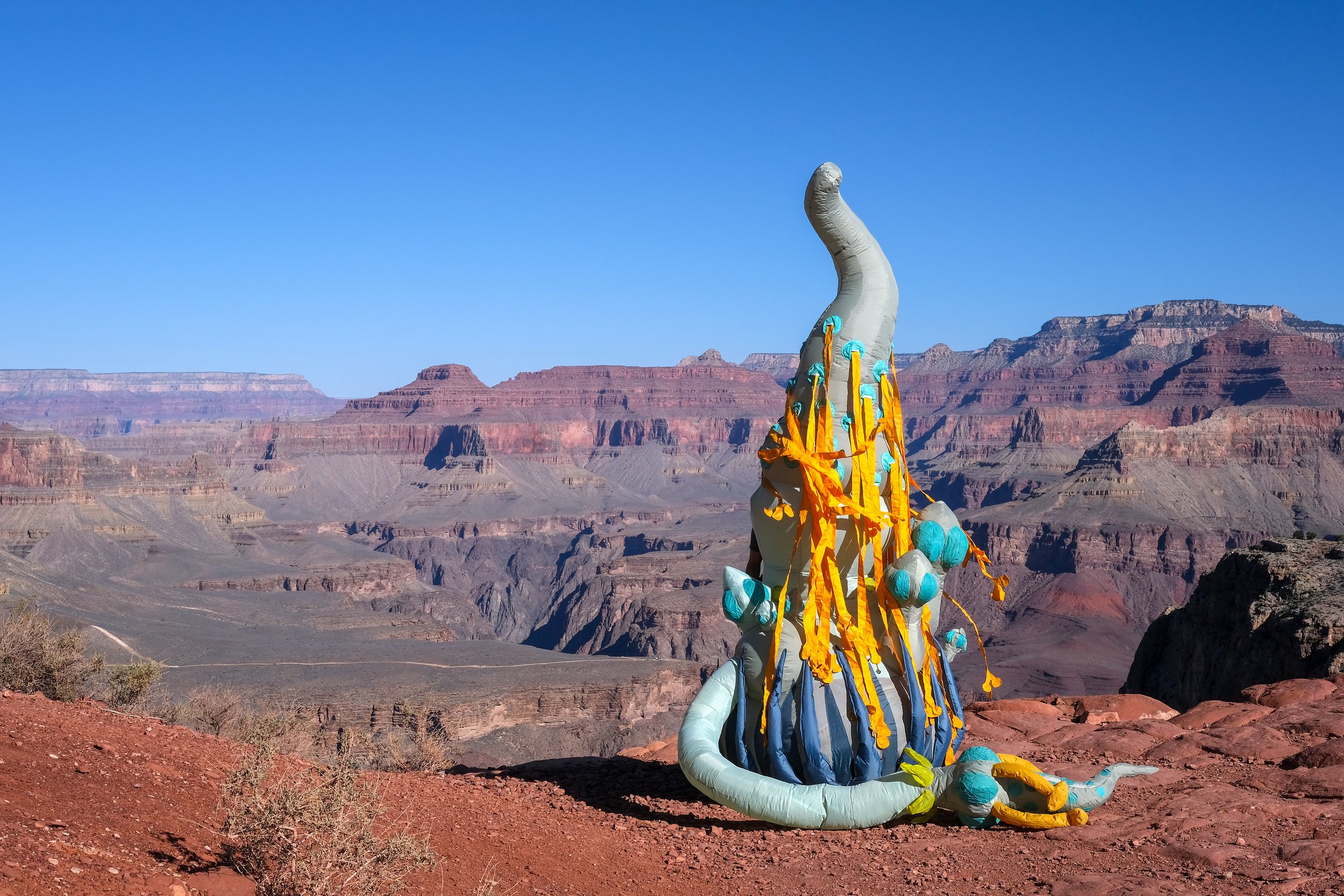
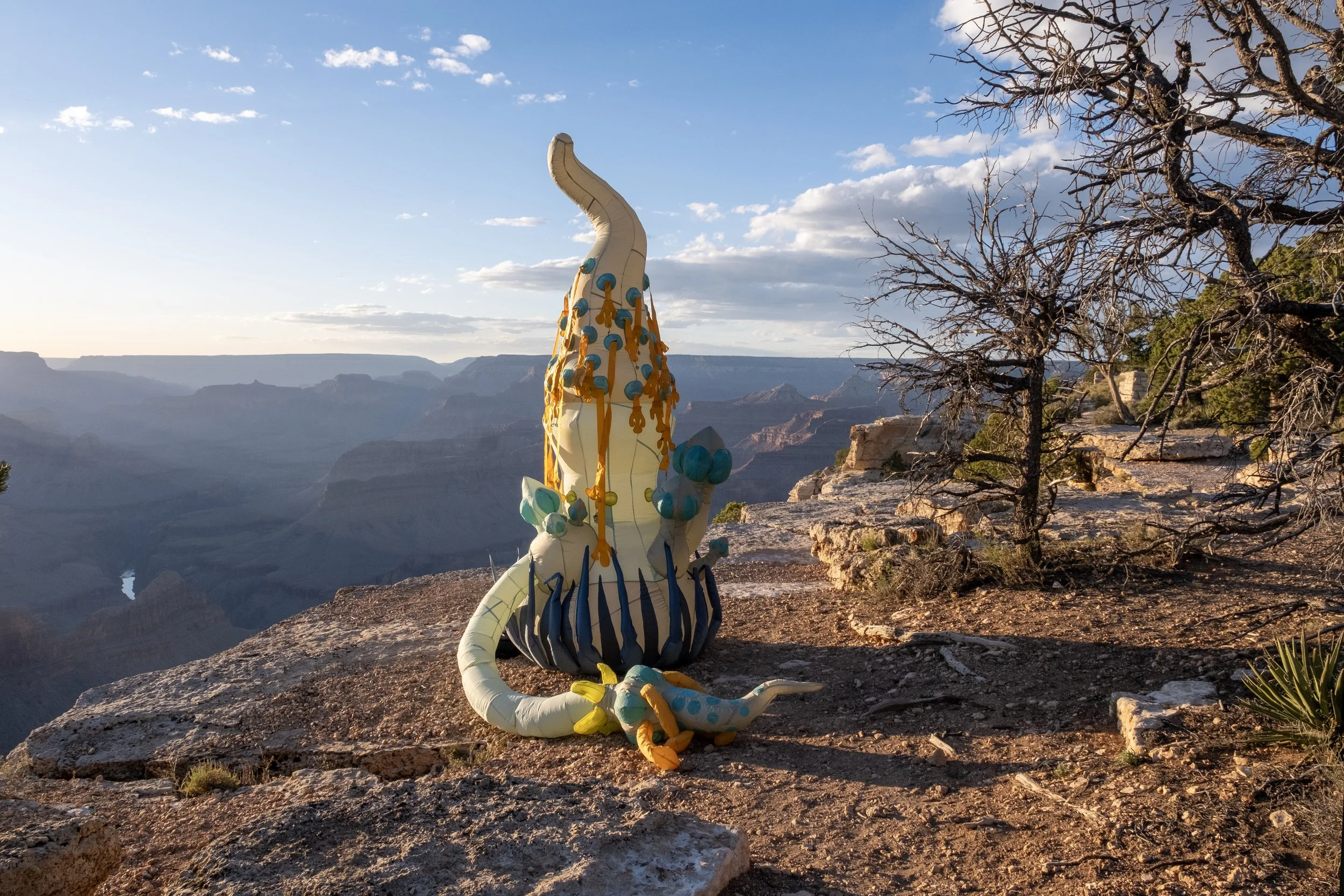
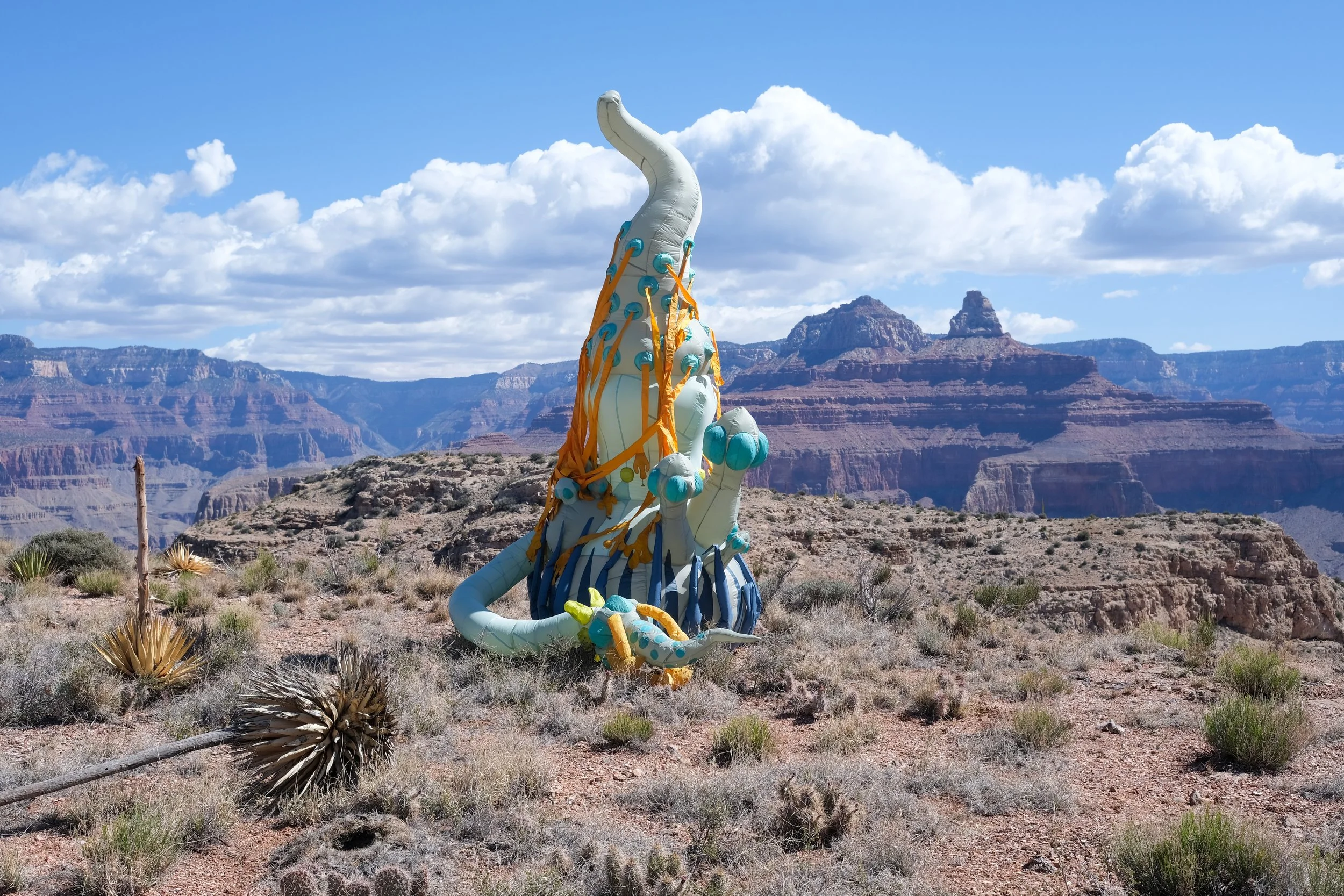
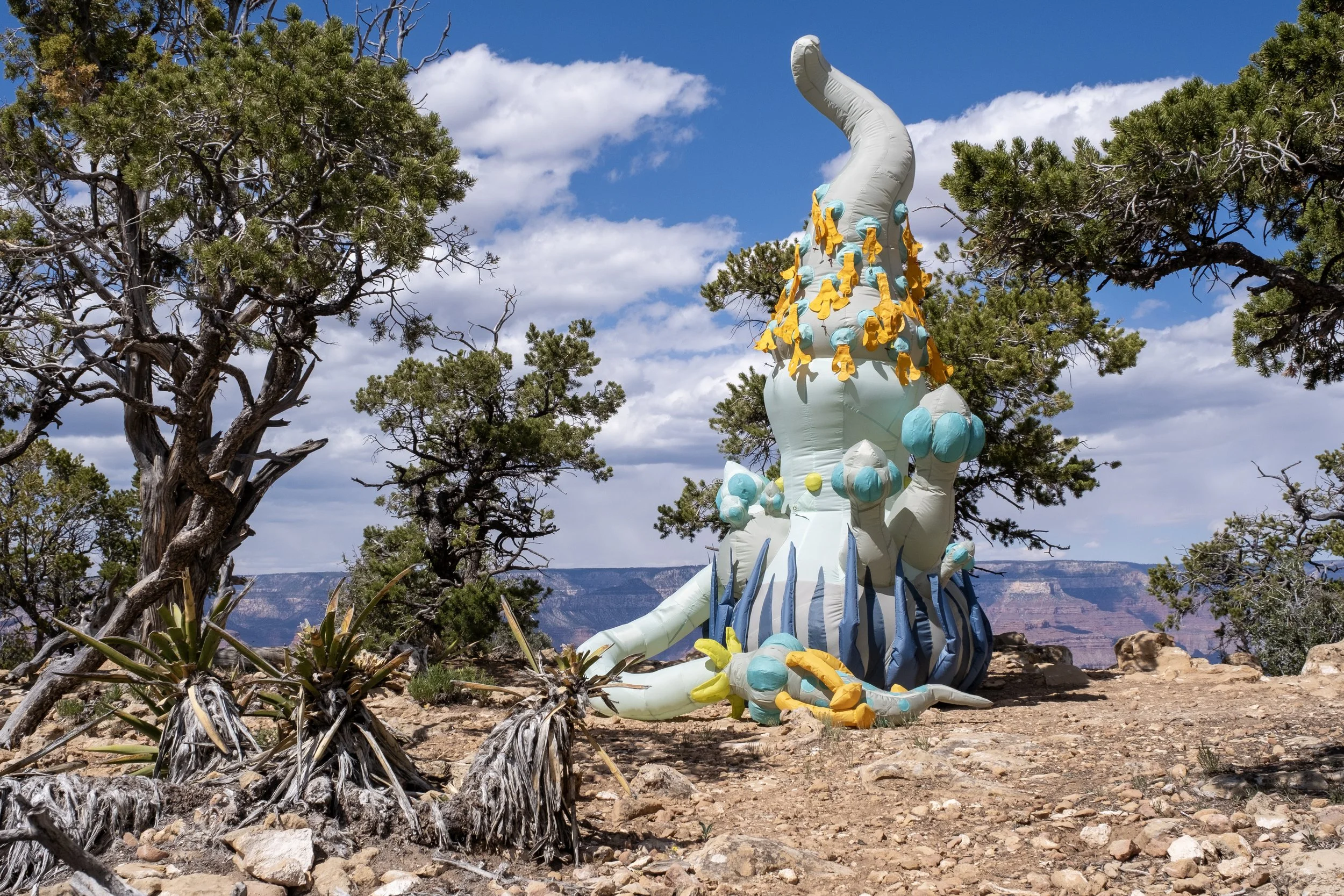
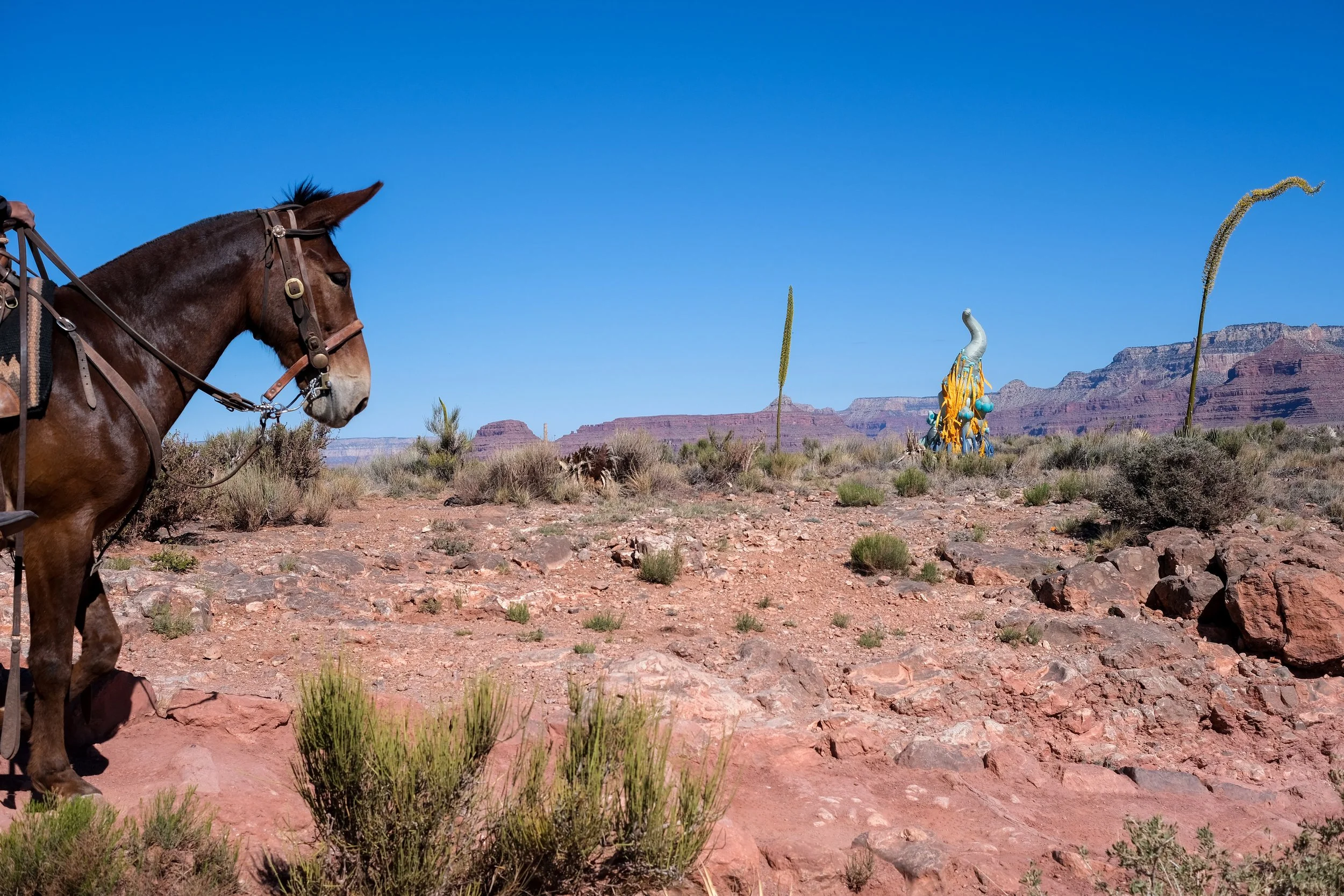
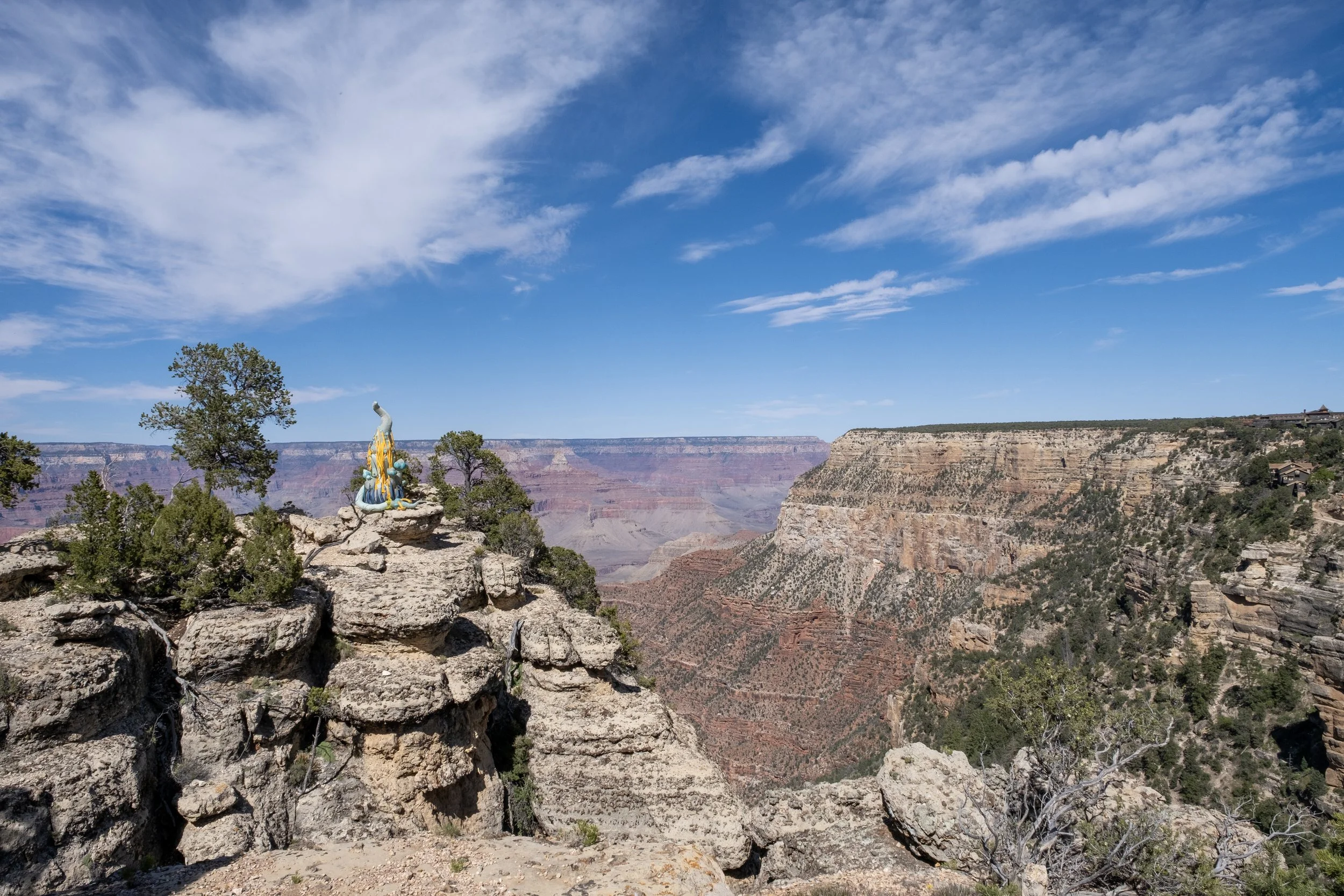
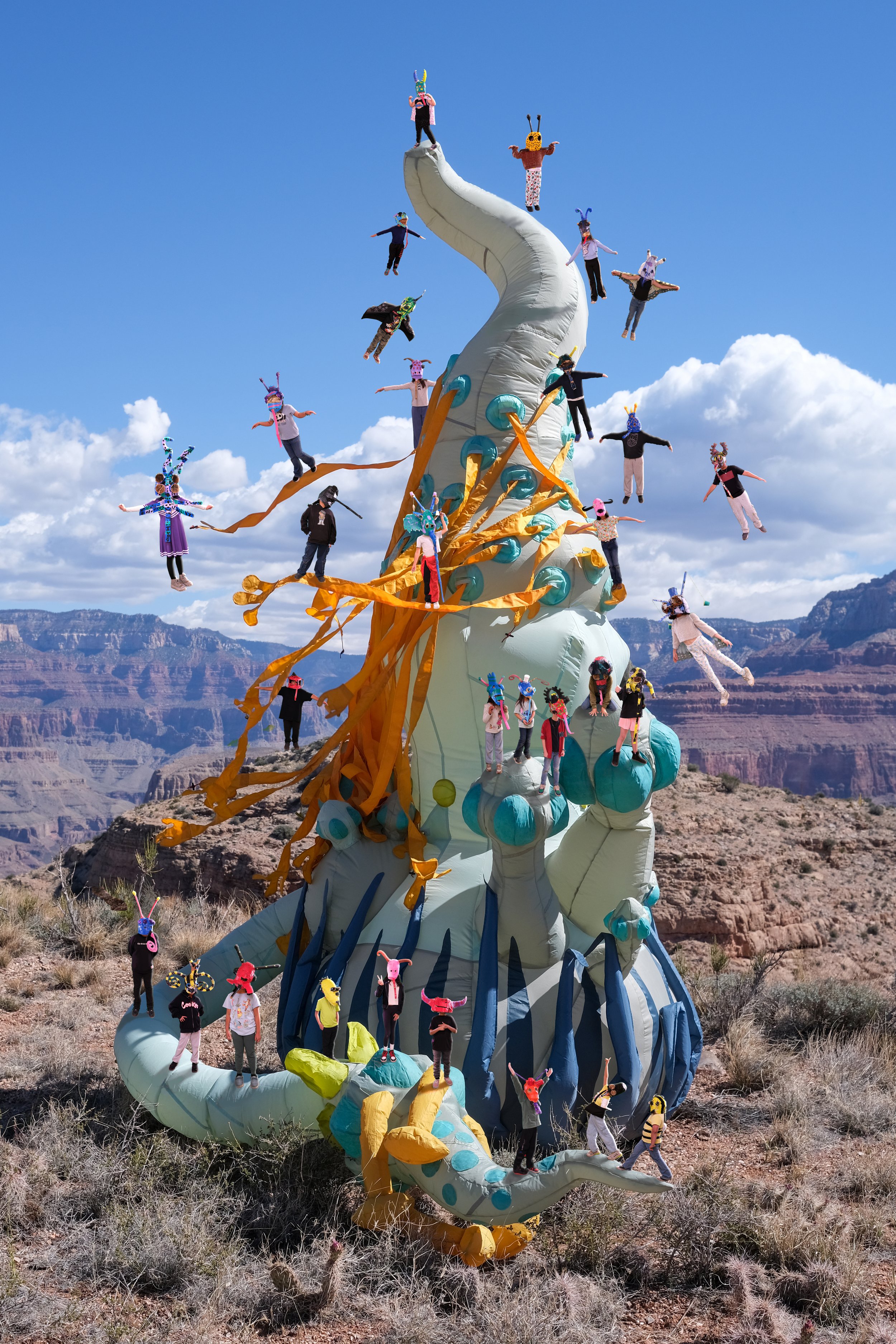
Our project explores the future of plant and insect relationships in the Grand Canyon. As our climate changes plants and insects are at risk, and because they rely on each other for survival that risk is multiplied. Plants in the Grand Canyon live in a harsh environment and have adaptations to drought, fire, and flooding. Can they continue to adapt as our climate changes? This project will imagine the extreme ways that plants and their pollinators must change to survive. We created an inflatable sculpture of a future agave and we worked with the 3rd and 4th graders at the Grand Canyon School to design future pollinators.
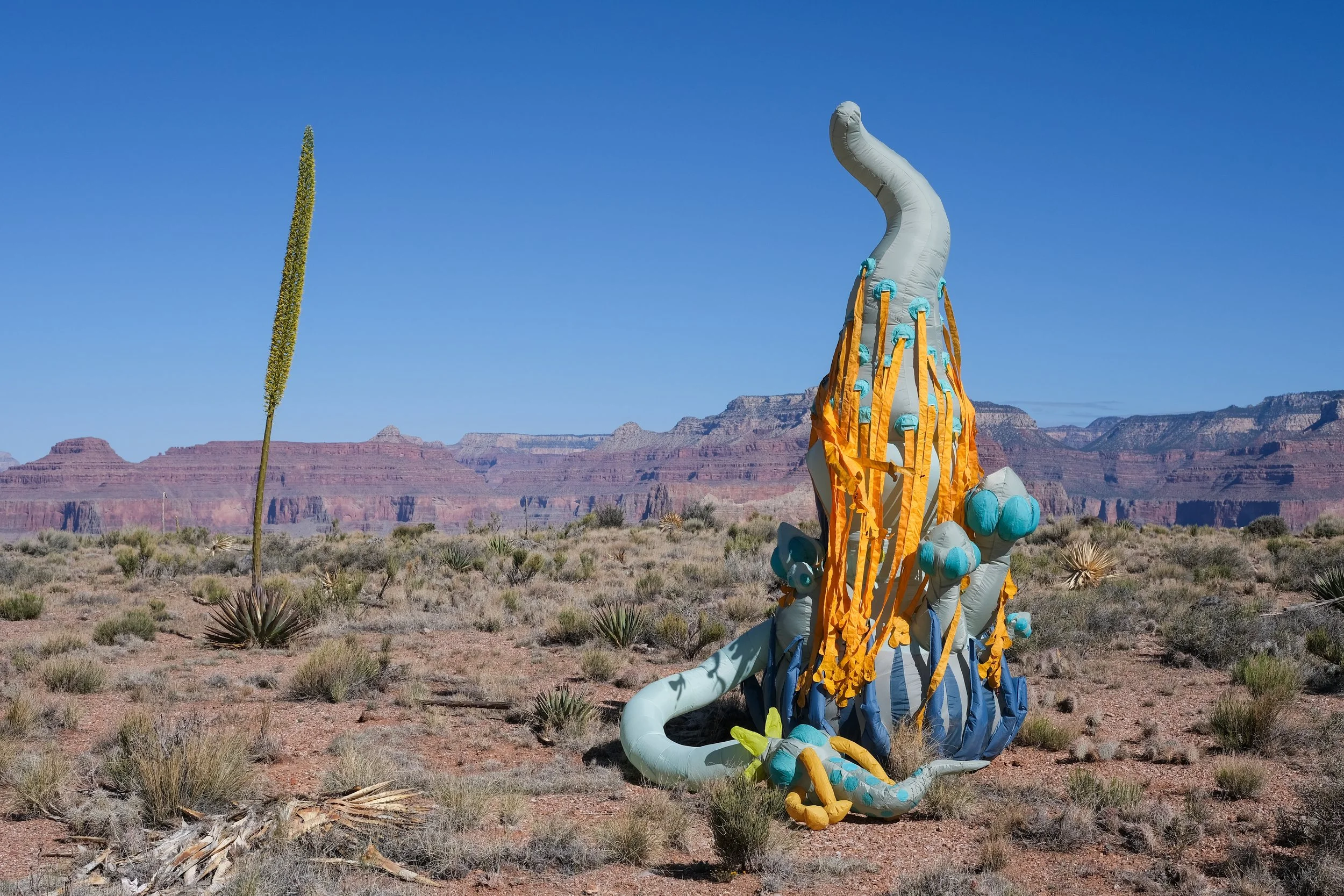
Our future plant is inspired by the amazing blooms of the Agave found within the Grand Canyon.
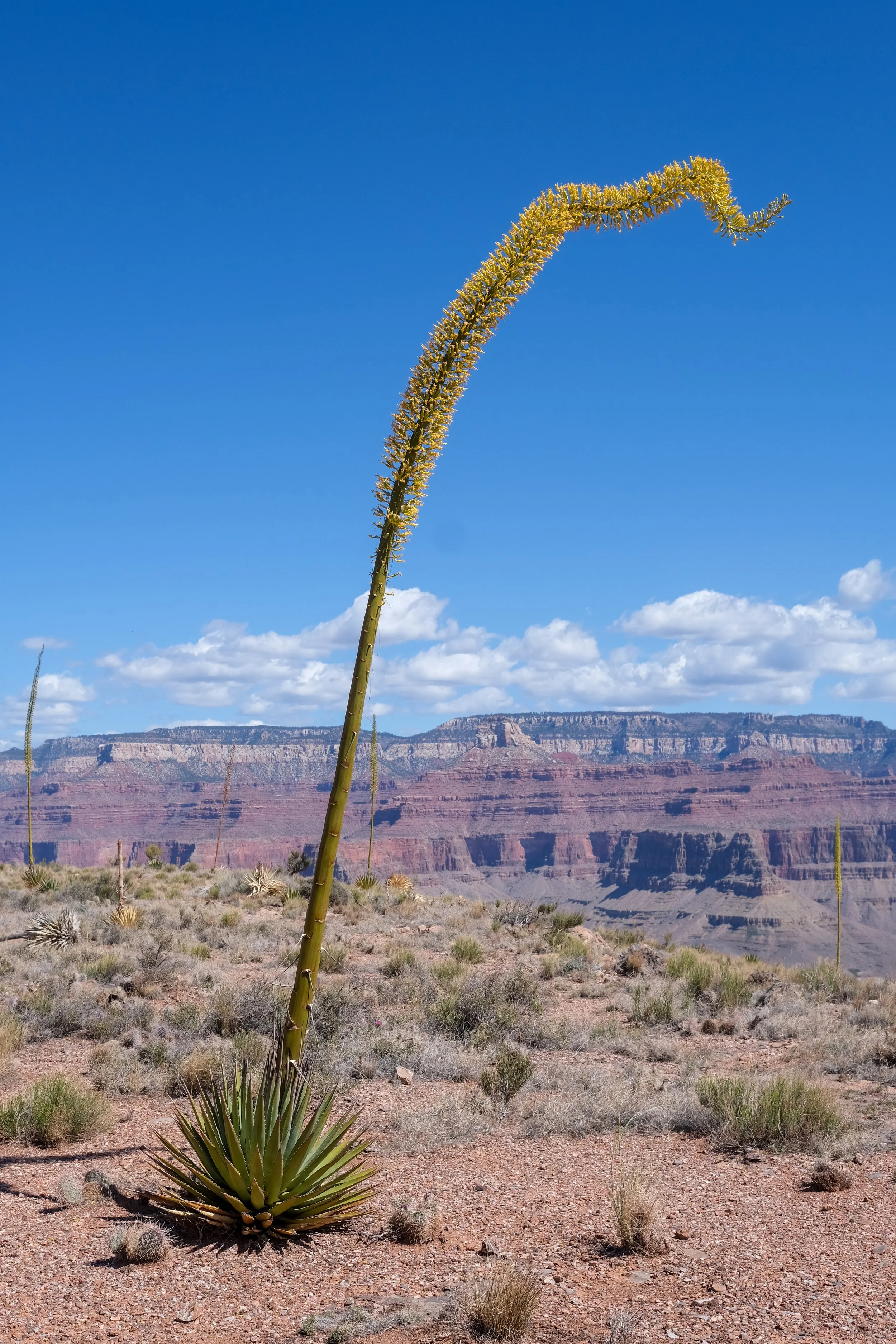
Blooming Utah Kaibab Agave at Skeleton Point in the Grand Canyon.
The Agave only blooms once. At the end of it’s life it sends up a giant slender stock with many small yellow blooms. This giant stock attracts many pollinators; humming birds, bats, carpenter bees, and moths.
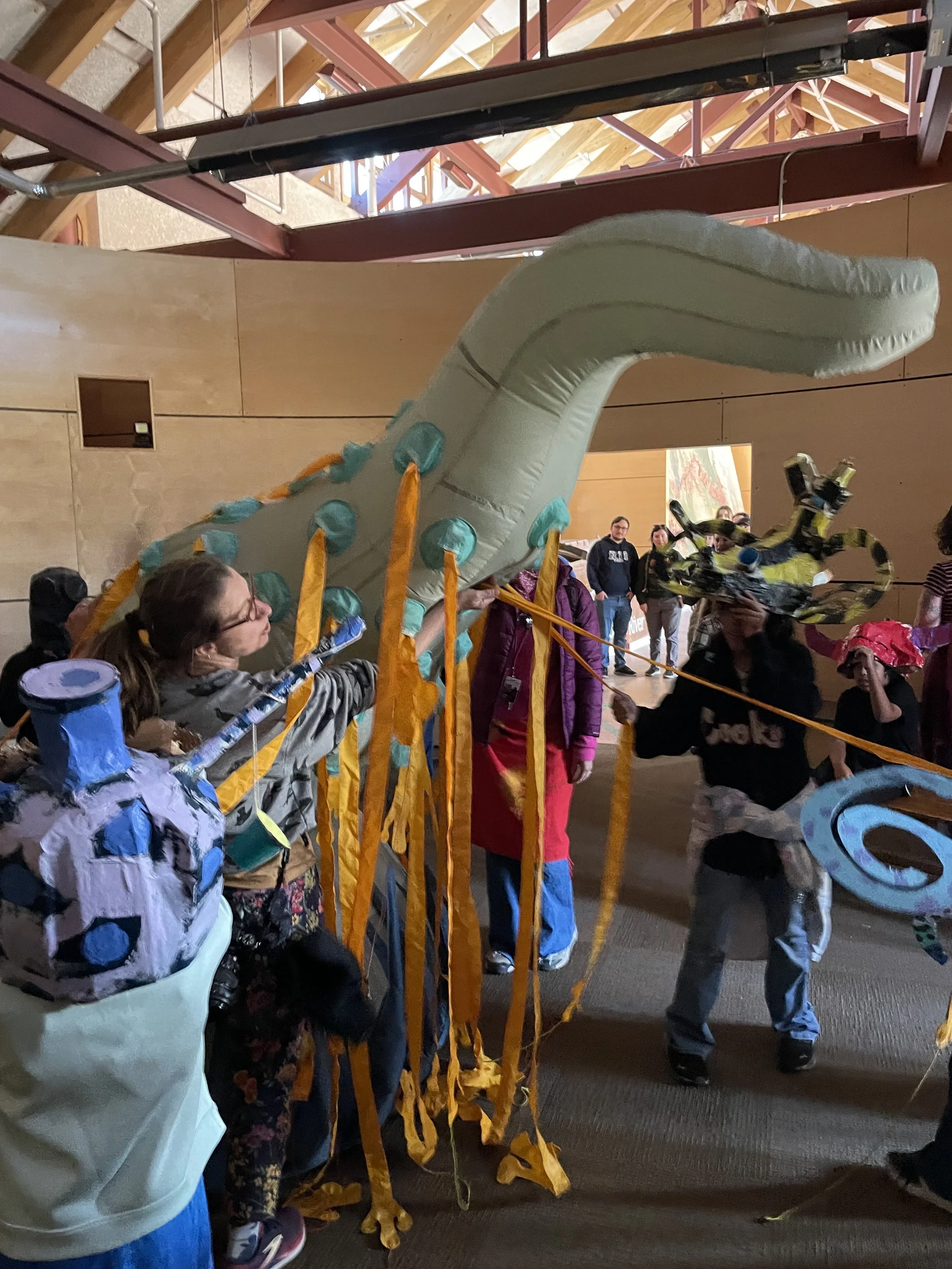
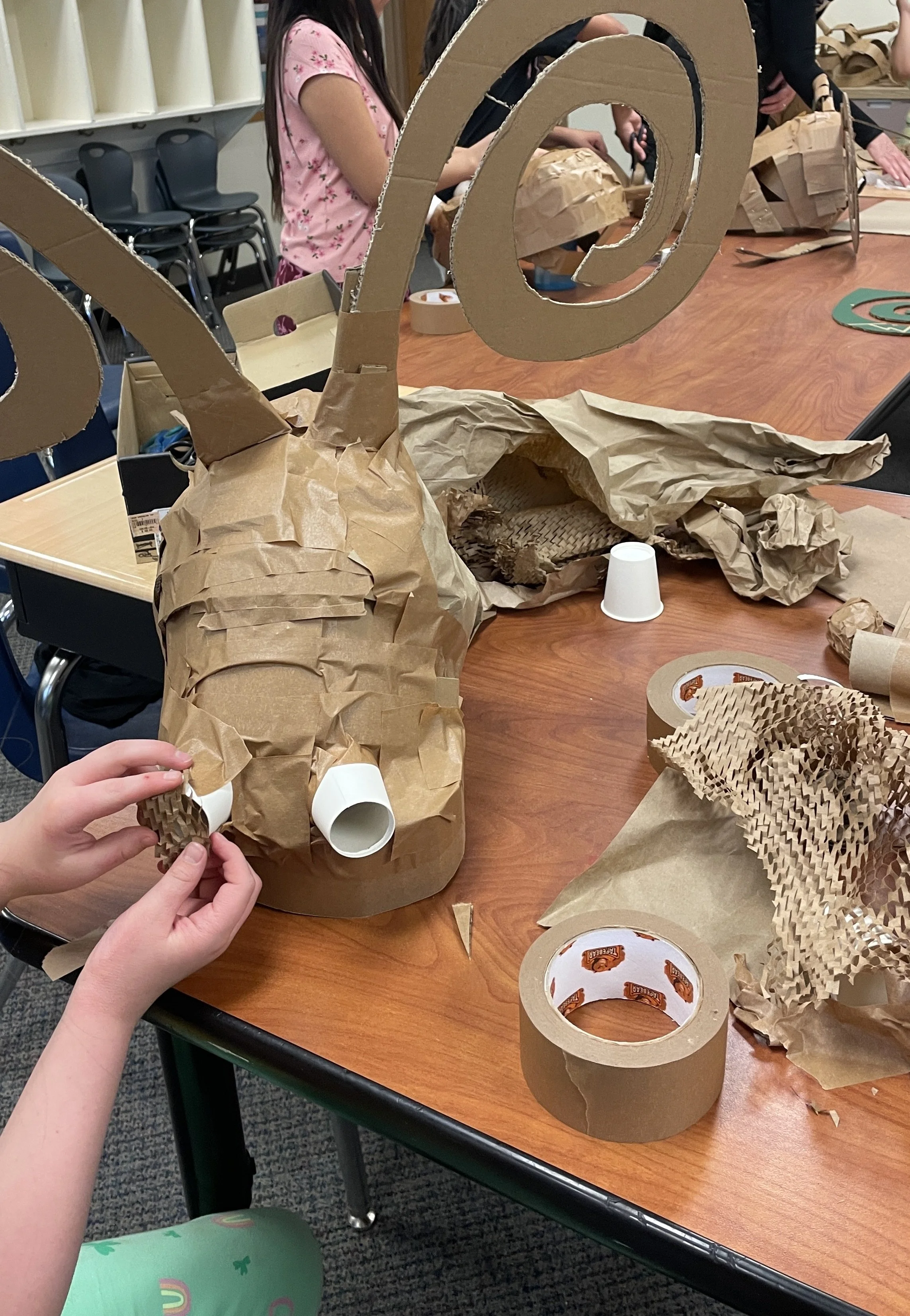
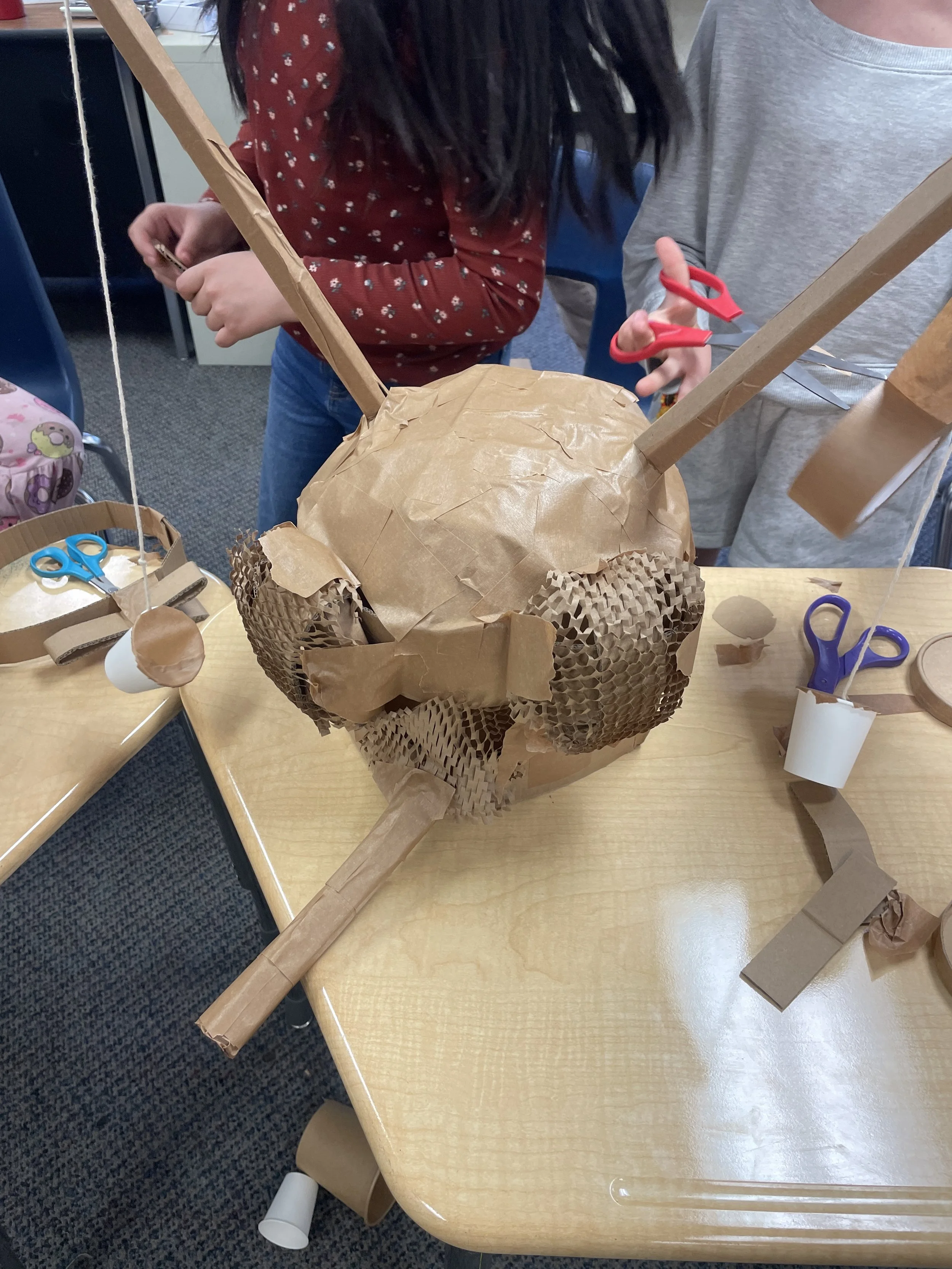
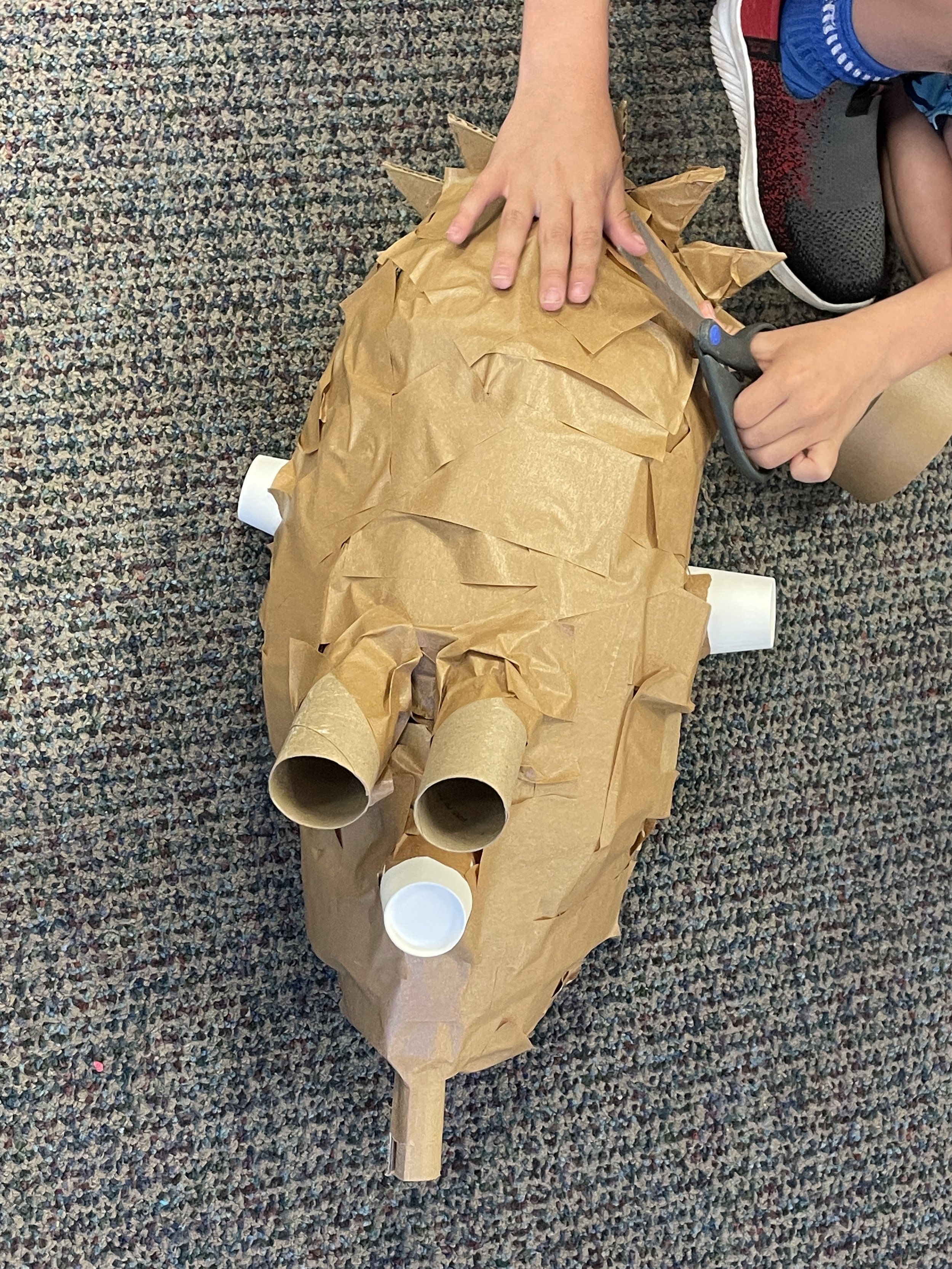
The 3rd and 4th graders at the Grand Canyon School designed future pollinators. They created armatures from recycled cardboard and paper tape, then paper mashed and panted their heads. During their design process we discussed adaptations that pollinators will need as out climate changes.
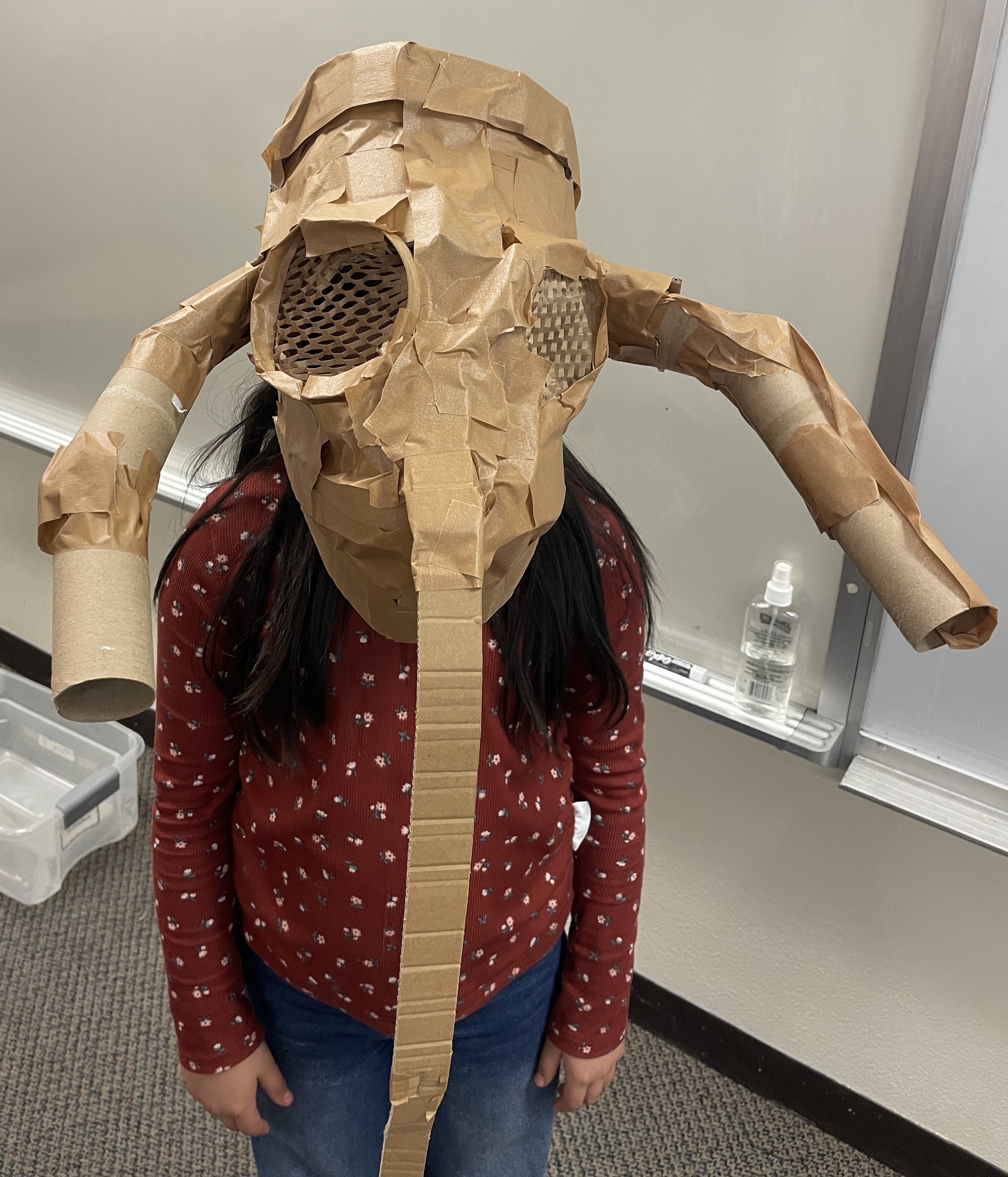
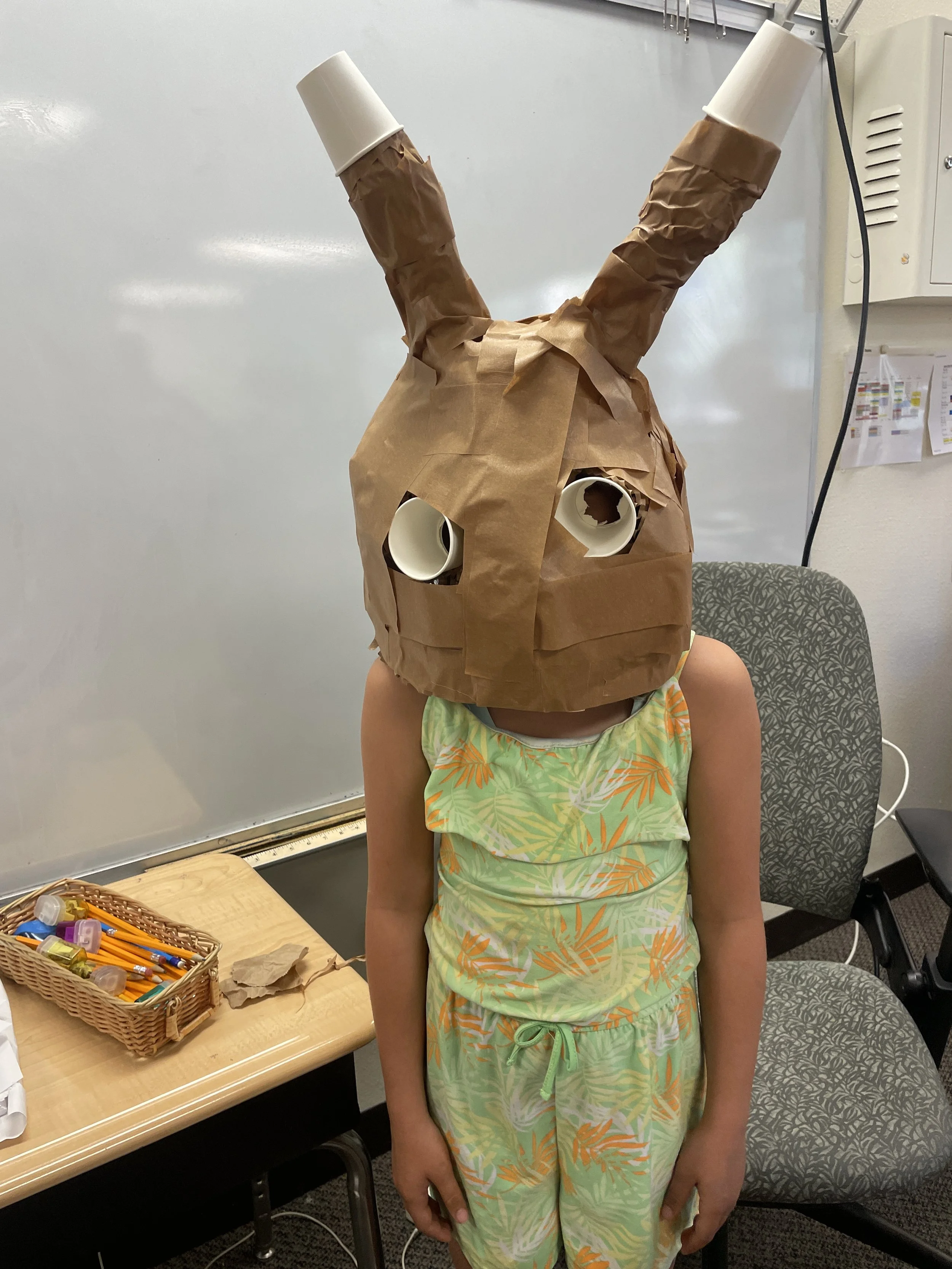
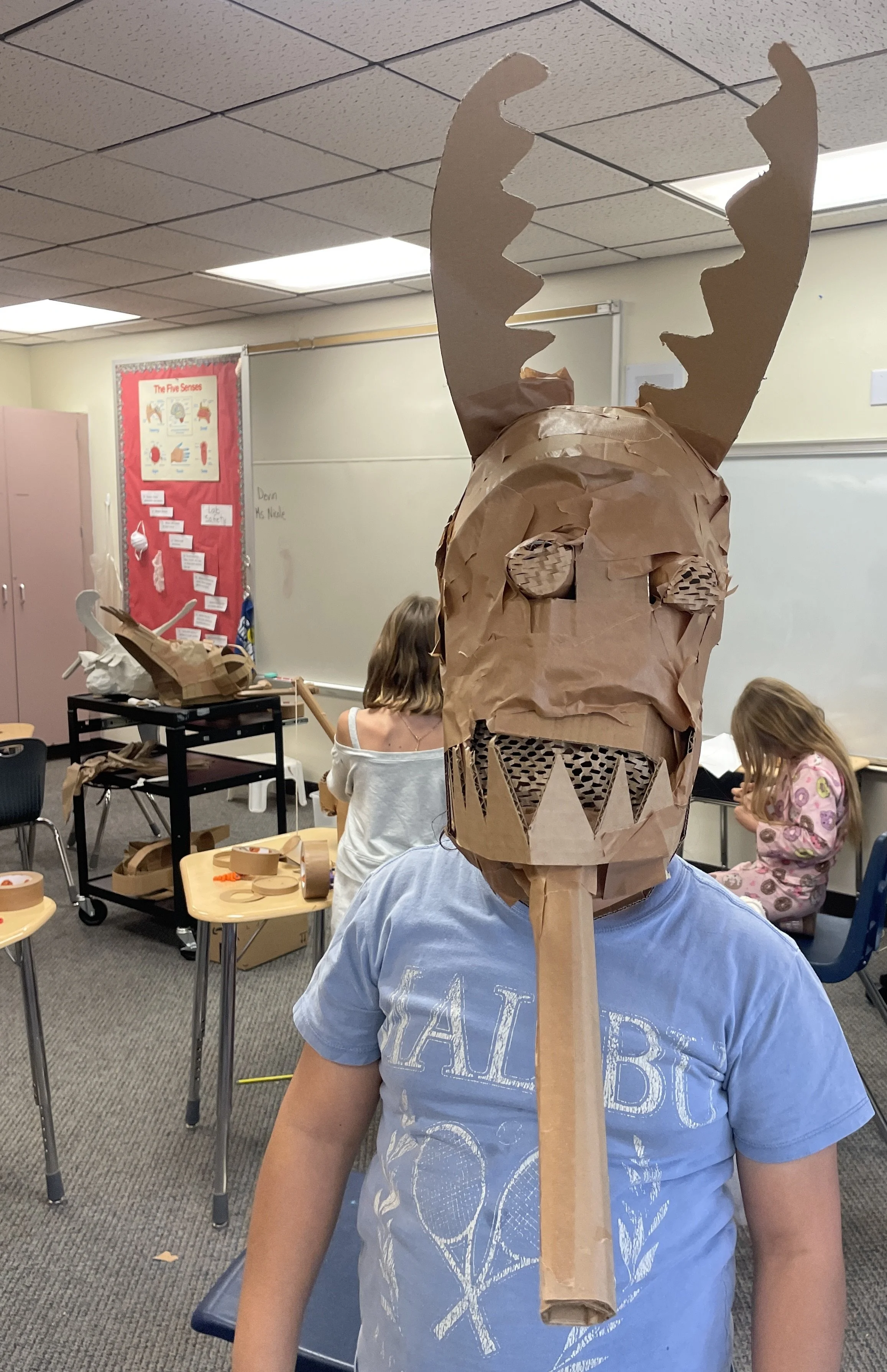
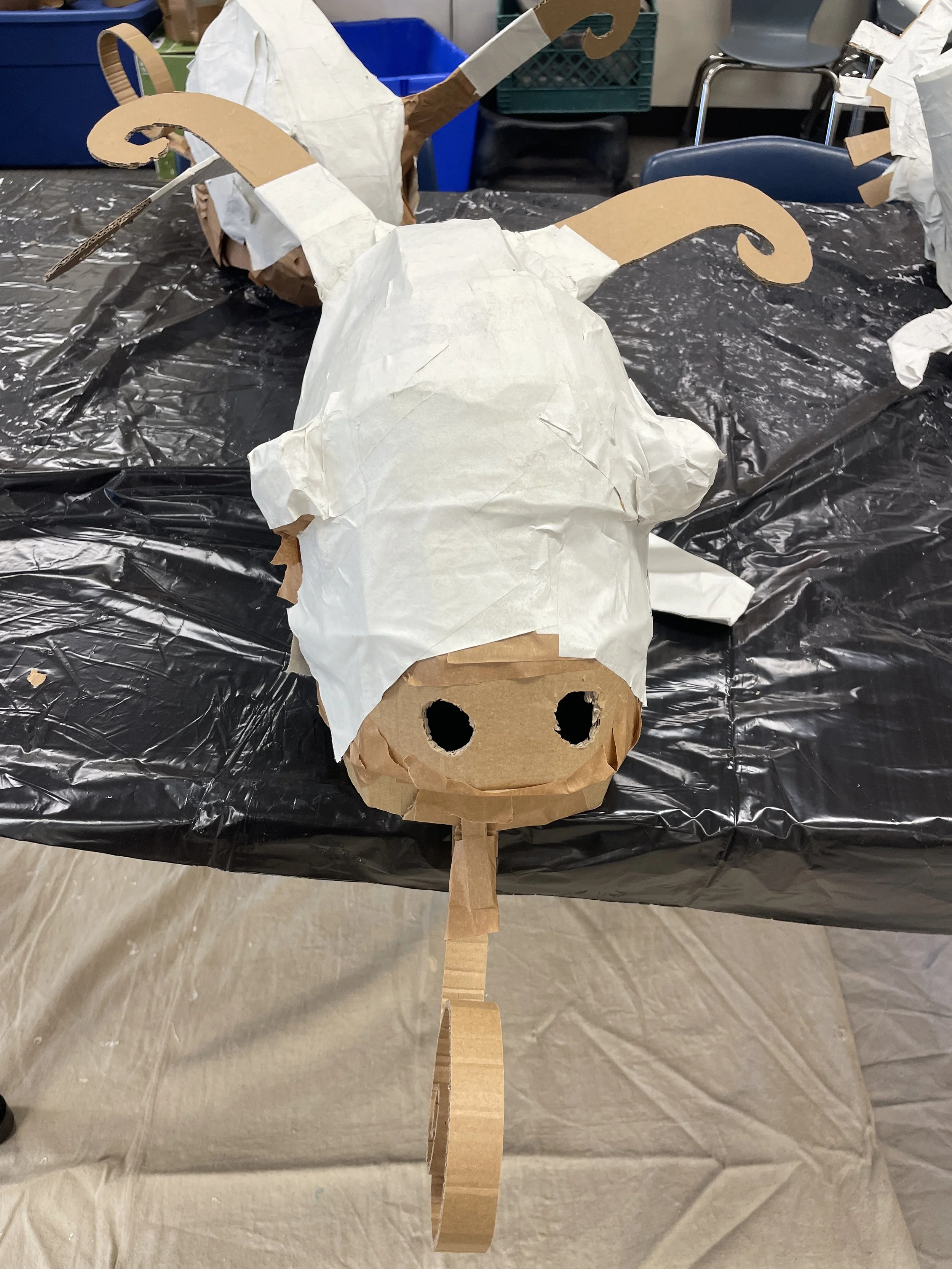
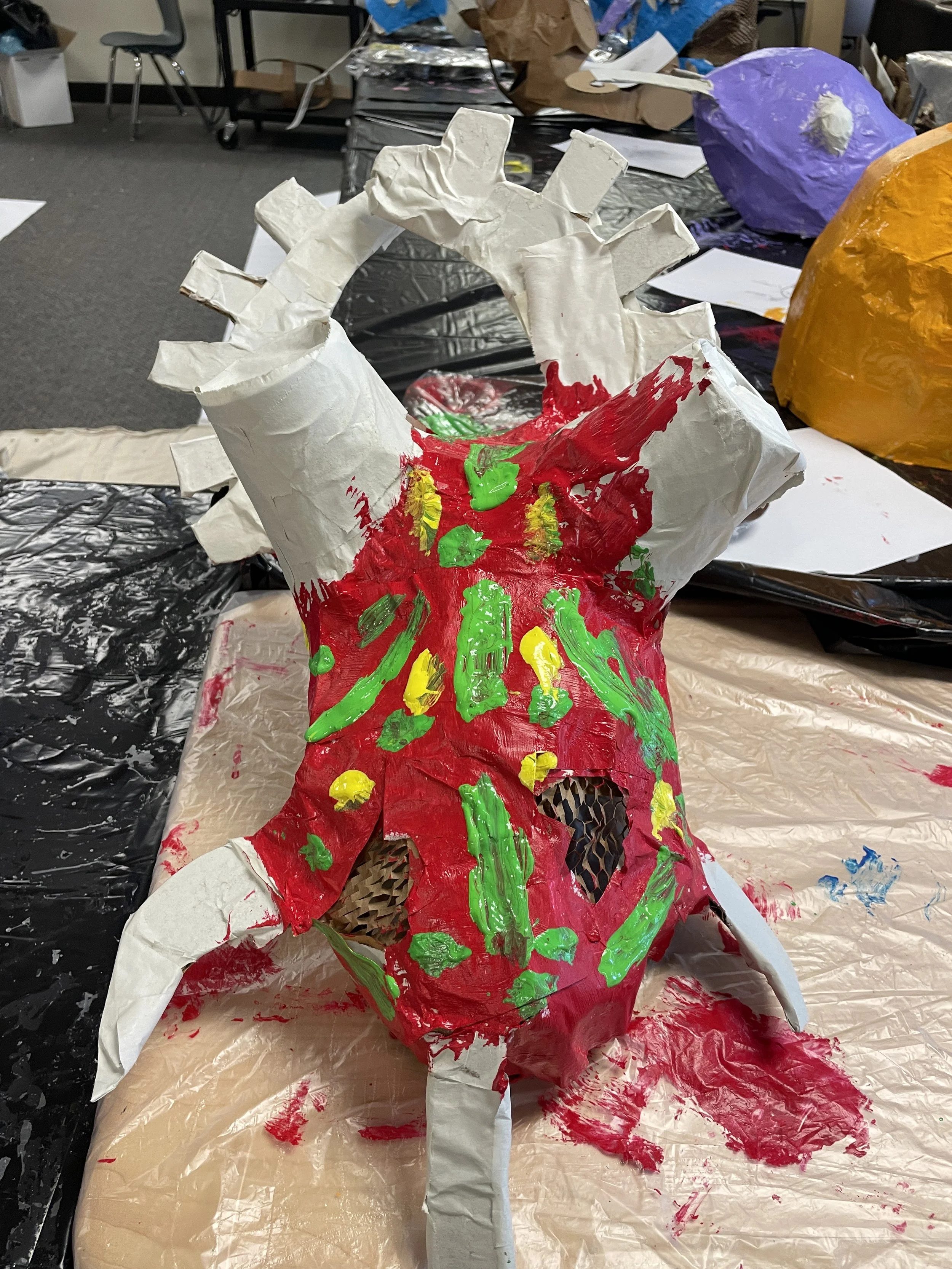
Our future plant adapted so that it could be pollinated by future pollinators in our Pollination Parade which happened at the Grand Canyon visitor center, and at the Grand Canyon School.